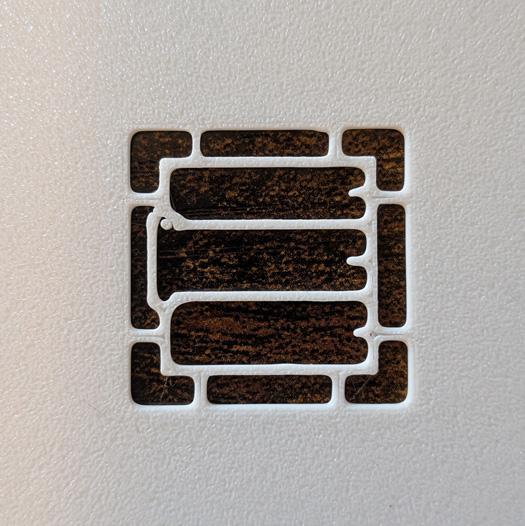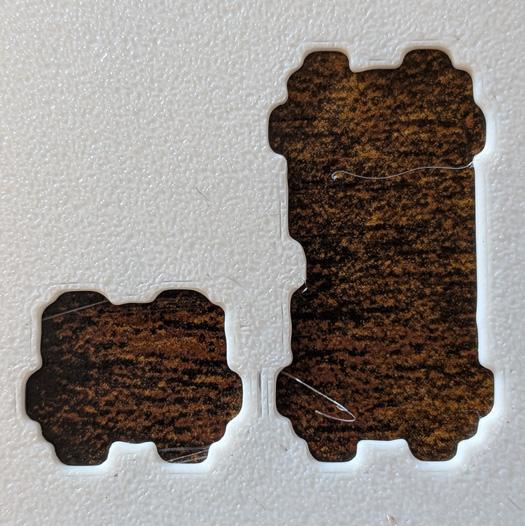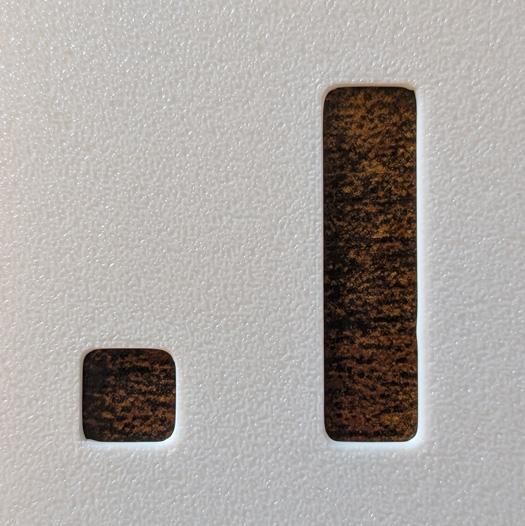
Thin Wall - View 1
🏰

Starter Dungeon Kit

Thin Wall

Lightweight interior partitions that quickly shape rooms without the heavy feel of stone fortifications. Perfect for town buildings, hidden backrooms, cramped hallways, and fast-to-draw encounter spaces.

Thin walls are perfect for quick interiors—simple, readable room divisions that keep the map clean while still adding structure. Use them when you want lots of rooms, shortcuts, and “what’s behind this door?” energy without drawing bulky masonry.

Usage Tips

  • Build room grids fast: lay out hallways first, then drop partitions to create bedrooms, offices, and storage.
  • Pair with doors to control flow—small doors for private rooms, square doors for utility spaces.
  • Make it feel lived-in by placing crates and barrels along walls to suggest cluttered corners and supplies.
  • Contrast with heavy walls: use thin walls inside a building that sits within stone walls for layered locations.

Great for: inns, manors, shops, guardhouses, ship interiors, and dungeon annexes with lots of small rooms.

Perfect For:

  • Map making and dungeon design
  • Campaign planning and world building
  • Creative journaling and art projects
  • wall
  • interior
  • partition
  • town
  • rooms
  • starter

Mix & Match Tips

Unlock the full potential of your stamps by combining them creatively

1

Layering & Detail Passes

Sketch your big shapes first (rooms, walls, terrain), then do a second pass for details like doors, props, and hazards. Light pencil lines under the stencil help keep everything aligned.

2

Rotate & Mirror

Rotate stencils to vary textures and break repetition—great for stone, wood, and rubble. Flipping the stencil (when possible) can create fresh angles for corridors, debris, and scatter.

3

Line Weight & Shading

Use a fine liner for clean edges, then add heavier outlines or quick hatching for emphasis. A soft pencil or gray marker through the stencil can suggest shadow, difficult terrain, or elevation.

4

Tileable Patterns

Repeat floor and wall segments to quickly fill larger areas. Work in a grid, keep consistent spacing, and periodically swap orientation so big rooms feel hand-drawn, not copy-pasted.

Related Stencils

Complete your collection with these complementary designs