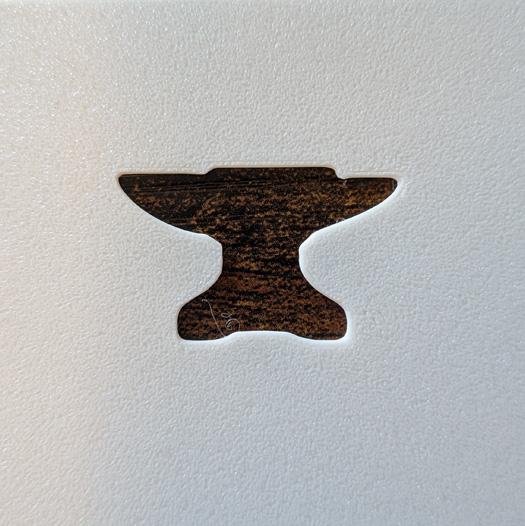
Anvil - View 1
🛋️

Starter Dungeon Kit

Anvil

A classic anvil prop that instantly sets a scene as a smithy, workshop, or armory-in-progress on your RPG maps. Perfect for blacksmith shops, dwarf forges, battlefield repairs, and places where metalwork happens.

An anvil instantly tells players “work happens here”—hot metal, loud hammering, and gear getting made or repaired. Use it to add character to towns and to create memorable set pieces where tools, weapons, and conflict collide.

Usage Tips

  • Instant forge: pair with a hammer and a few storage props (crates/barrels) to sell the workspace.
  • Set the floor tone: wood floor for town shops and workshops; stone floor for dwarf halls and fortress forges.
  • Add story hooks: an anvil near a sword can imply a custom order, a legendary commission, or stolen work.
  • Encounter geometry: place the anvil as a chunky obstacle in close-quarters fights—great for cover and movement puzzles.

Great for: blacksmiths, dwarf forges, armory backrooms, repair bays, and workshop encounters.

Perfect For:

  • Map making and dungeon design
  • Campaign planning and world building
  • Creative journaling and art projects
  • prop
  • smithy
  • forge
  • craft
  • town
  • starter

Mix & Match Tips

Unlock the full potential of your stamps by combining them creatively

1

Layering & Detail Passes

Sketch your big shapes first (rooms, walls, terrain), then do a second pass for details like doors, props, and hazards. Light pencil lines under the stencil help keep everything aligned.

2

Rotate & Mirror

Rotate stencils to vary textures and break repetition—great for stone, wood, and rubble. Flipping the stencil (when possible) can create fresh angles for corridors, debris, and scatter.

3

Line Weight & Shading

Use a fine liner for clean edges, then add heavier outlines or quick hatching for emphasis. A soft pencil or gray marker through the stencil can suggest shadow, difficult terrain, or elevation.

4

Tileable Patterns

Repeat floor and wall segments to quickly fill larger areas. Work in a grid, keep consistent spacing, and periodically swap orientation so big rooms feel hand-drawn, not copy-pasted.

Related Stencils

Complete your collection with these complementary designs