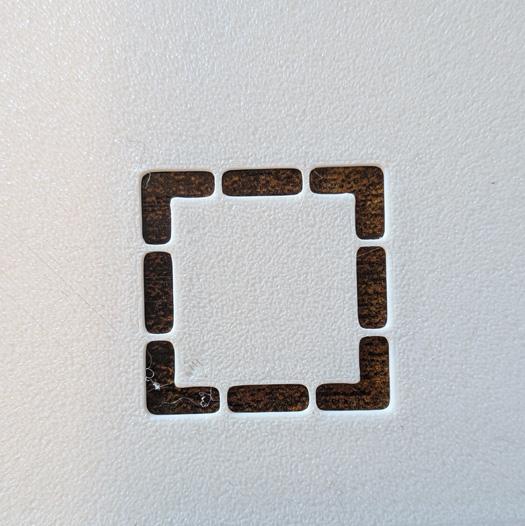
Stone Floor - View 1
🏰

Starter Dungeon Kit

Stone Floor

A solid stone texture that anchors your rooms, corridors, and chambers with classic dungeon clarity. Perfect for crypts, keeps, and underground halls where every footstep echoes.

Stone floors make your map instantly readable and unmistakably “dungeon.” Use this texture to unify rooms, emphasize important areas, and give encounters a grounded, ancient feel.

Usage Tips

  • Fill big areas fast by stamping in lanes, then rotating the stencil to avoid obvious repetition.
  • Define zones: stone floor under altars, boss arenas, or vaults makes them pop from surrounding spaces.
  • Add story wear by blending into cracked floor near ruins, cave-ins, or damaged corridors.
  • Sell the scene with pairings: stone floor + stone wall for classic halls, then drop in a large door and wall torch to spotlight key thresholds.
  • Mechanics cue: place a lever near a door or wall to imply traps, hidden passages, or locked mechanisms.

Great for: crypts, keeps, prison blocks, catacombs, and any “this place was built to last” location.

Perfect For:

  • Map making and dungeon design
  • Campaign planning and world building
  • Creative journaling and art projects
  • floor
  • stone
  • dungeon
  • corridor
  • texture
  • starter

Mix & Match Tips

Unlock the full potential of your stamps by combining them creatively

1

Layering & Detail Passes

Sketch your big shapes first (rooms, walls, terrain), then do a second pass for details like doors, props, and hazards. Light pencil lines under the stencil help keep everything aligned.

2

Rotate & Mirror

Rotate stencils to vary textures and break repetition—great for stone, wood, and rubble. Flipping the stencil (when possible) can create fresh angles for corridors, debris, and scatter.

3

Line Weight & Shading

Use a fine liner for clean edges, then add heavier outlines or quick hatching for emphasis. A soft pencil or gray marker through the stencil can suggest shadow, difficult terrain, or elevation.

4

Tileable Patterns

Repeat floor and wall segments to quickly fill larger areas. Work in a grid, keep consistent spacing, and periodically swap orientation so big rooms feel hand-drawn, not copy-pasted.

Related Stencils

Complete your collection with these complementary designs