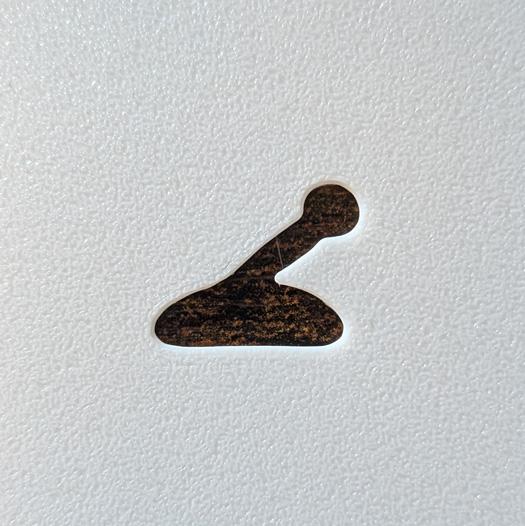
Lever - View 1
🛋️

Starter Dungeon Kit

Lever

A simple lever prop that instantly signals puzzles, traps, and mechanisms on your RPG maps. Perfect for dungeon control rooms, secret doors, portcullises, and “don’t pull it yet” moments.

A lever is the universal invitation to cause problems. Use it to mark interactive points on your map—places where the party can change the environment, open new routes, or trigger something they’ll regret.

Usage Tips

  • Telegraph secrets: place a lever near a suspicious wall section or beside a square door to hint at hidden access.
  • Trap language: pair with a spiked door to imply a dangerous lock, portcullis, or timed mechanism.
  • Make it readable: add a wall torch so players notice it immediately (especially in busy rooms).
  • Tie it to rewards: a lever near a chest suggests a puzzle lock or a trap disable.
  • Use with stonework: stone walls and stone floors sell classic dungeon machinery and ancient contraptions.

Great for: puzzle rooms, vault antechambers, prison controls, portcullis gates, and secret passages.

Perfect For:

  • Map making and dungeon design
  • Campaign planning and world building
  • Creative journaling and art projects
  • mechanism
  • trap
  • puzzle
  • dungeon
  • switch
  • starter

Mix & Match Tips

Unlock the full potential of your stamps by combining them creatively

1

Layering & Detail Passes

Sketch your big shapes first (rooms, walls, terrain), then do a second pass for details like doors, props, and hazards. Light pencil lines under the stencil help keep everything aligned.

2

Rotate & Mirror

Rotate stencils to vary textures and break repetition—great for stone, wood, and rubble. Flipping the stencil (when possible) can create fresh angles for corridors, debris, and scatter.

3

Line Weight & Shading

Use a fine liner for clean edges, then add heavier outlines or quick hatching for emphasis. A soft pencil or gray marker through the stencil can suggest shadow, difficult terrain, or elevation.

4

Tileable Patterns

Repeat floor and wall segments to quickly fill larger areas. Work in a grid, keep consistent spacing, and periodically swap orientation so big rooms feel hand-drawn, not copy-pasted.

Related Stencils

Complete your collection with these complementary designs