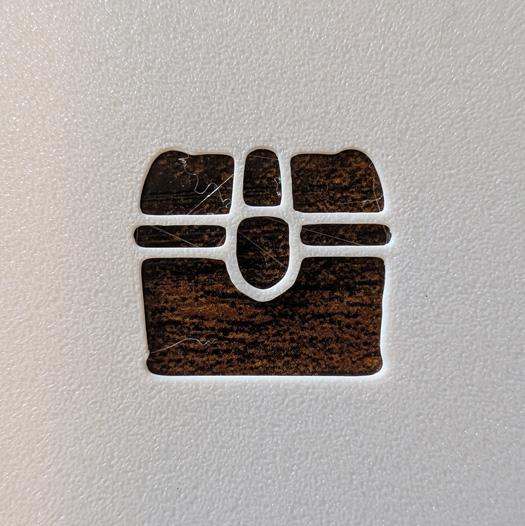
Chest - View 1
🛋️

Starter Dungeon Kit

Chest

A classic treasure chest prop that instantly signals loot, secrets, and high-stakes choices on your RPG maps. Perfect for vaults, hidden rooms, bandit stashes, and any scene where rewards (or traps) await.

A chest on the map is an instant promise: something valuable is here—if you can survive long enough to open it. Use it to create focal points, bait risky decisions, and make exploration feel rewarding.

Usage Tips

  • Make it a scene anchor: place a chest at the end of a corridor, behind a door, or in a corner “guarded” by terrain.
  • Suggest traps and locks: add a lever nearby to hint at mechanisms, pressure plates, or a puzzle solution.
  • Build believable storage: cluster with barrels, crates, and bags so the room feels like a stash—not a single lonely treasure box.
  • Set the tone with flooring: stone floors for vaults and crypts, wood floors for homes, inns, and smuggler hideouts.

Great for: treasure rooms, bandit caches, noble vaults, hidden compartments, and “is it mimicked?” paranoia.

Perfect For:

  • Map making and dungeon design
  • Campaign planning and world building
  • Creative journaling and art projects
  • loot
  • treasure
  • prop
  • storage
  • trap
  • dungeon

Mix & Match Tips

Unlock the full potential of your stamps by combining them creatively

1

Layering & Detail Passes

Sketch your big shapes first (rooms, walls, terrain), then do a second pass for details like doors, props, and hazards. Light pencil lines under the stencil help keep everything aligned.

2

Rotate & Mirror

Rotate stencils to vary textures and break repetition—great for stone, wood, and rubble. Flipping the stencil (when possible) can create fresh angles for corridors, debris, and scatter.

3

Line Weight & Shading

Use a fine liner for clean edges, then add heavier outlines or quick hatching for emphasis. A soft pencil or gray marker through the stencil can suggest shadow, difficult terrain, or elevation.

4

Tileable Patterns

Repeat floor and wall segments to quickly fill larger areas. Work in a grid, keep consistent spacing, and periodically swap orientation so big rooms feel hand-drawn, not copy-pasted.

Related Stencils

Complete your collection with these complementary designs