Crypt Maps = Mood + Clarity
Crypts and tombs don’t need a ton of props. They need mood, landmarks, and clean paths.
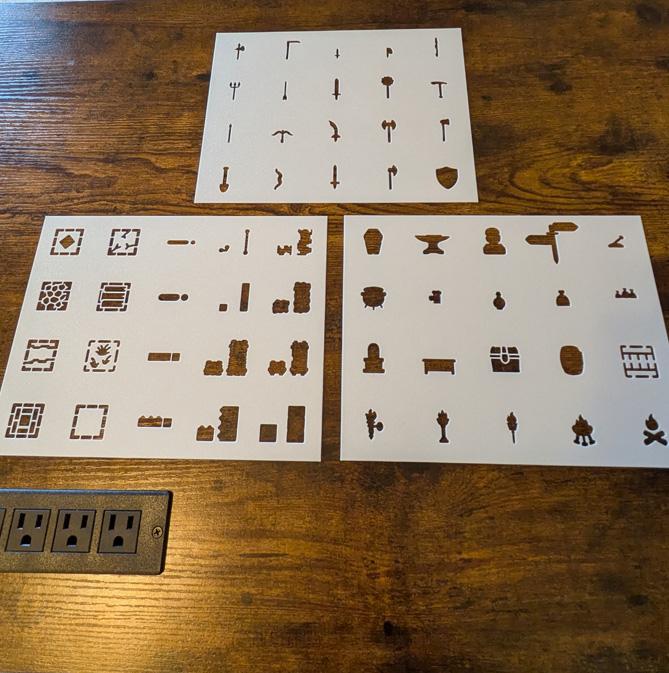
Your best stencil mood-setters are:
- Coffin (instant “tomb” language)
- Gravestone (outdoor graveyard or crypt entry vibes)
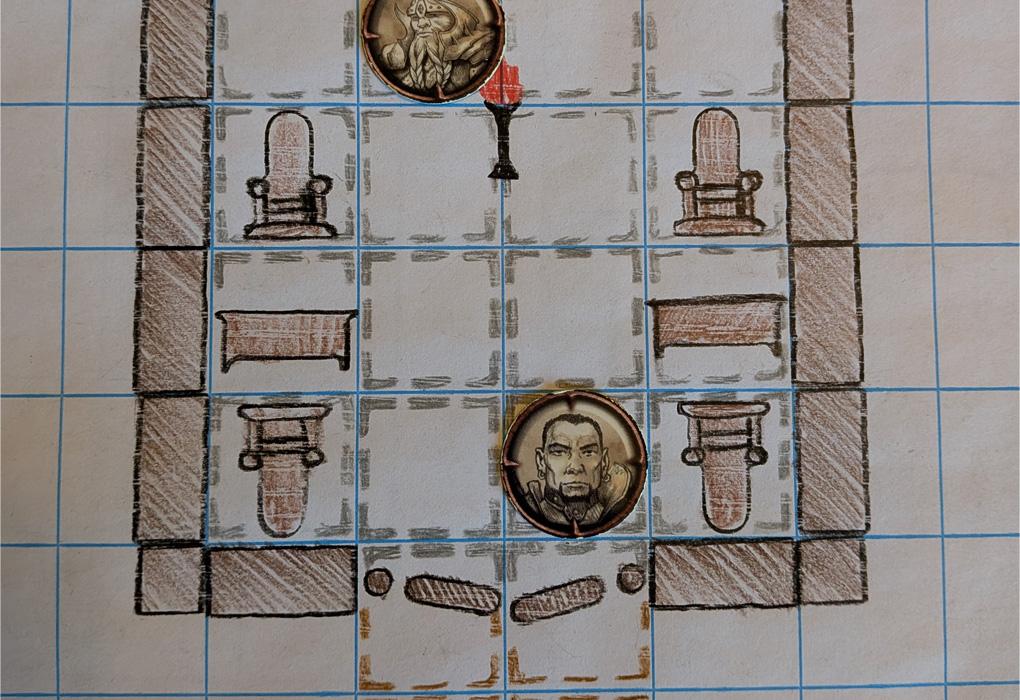
- Throne (the boss, the liege, the cursed seat)
- Stone Floor + Cracked Floor (maintained vs forgotten)
- Ruined Wall (collapse, age, danger)
- Wall Torch + Standing Torch (attention and drama)
Texture Language: Make the Room Feel Old Without Extra Ink
Crypts become instantly readable when your floor texture tells the story:
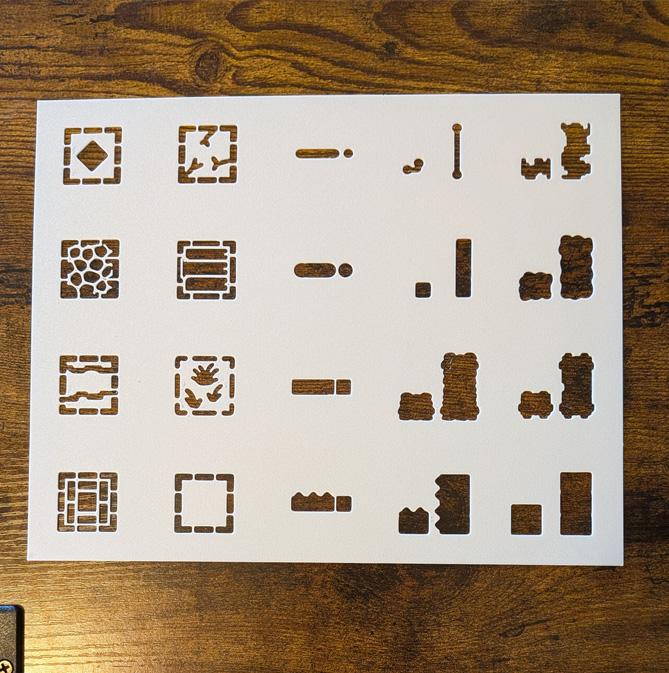
- Stone Floor = maintained temple, active cult, “someone still uses this”
- Cracked Floor = ancient, unstable, cursed, “time has done damage”
> Tip
> Use Stone Floor on the main path (nave) and switch to Cracked Floor in side crypts. Players *feel* the danger increase just from texture changes.
Ruined Walls: The Fastest Way to Add History
The Ruined Wall stencil is your “instant backstory.” It creates:
- broken alcoves
- collapsed corridors
- breached tomb chambers
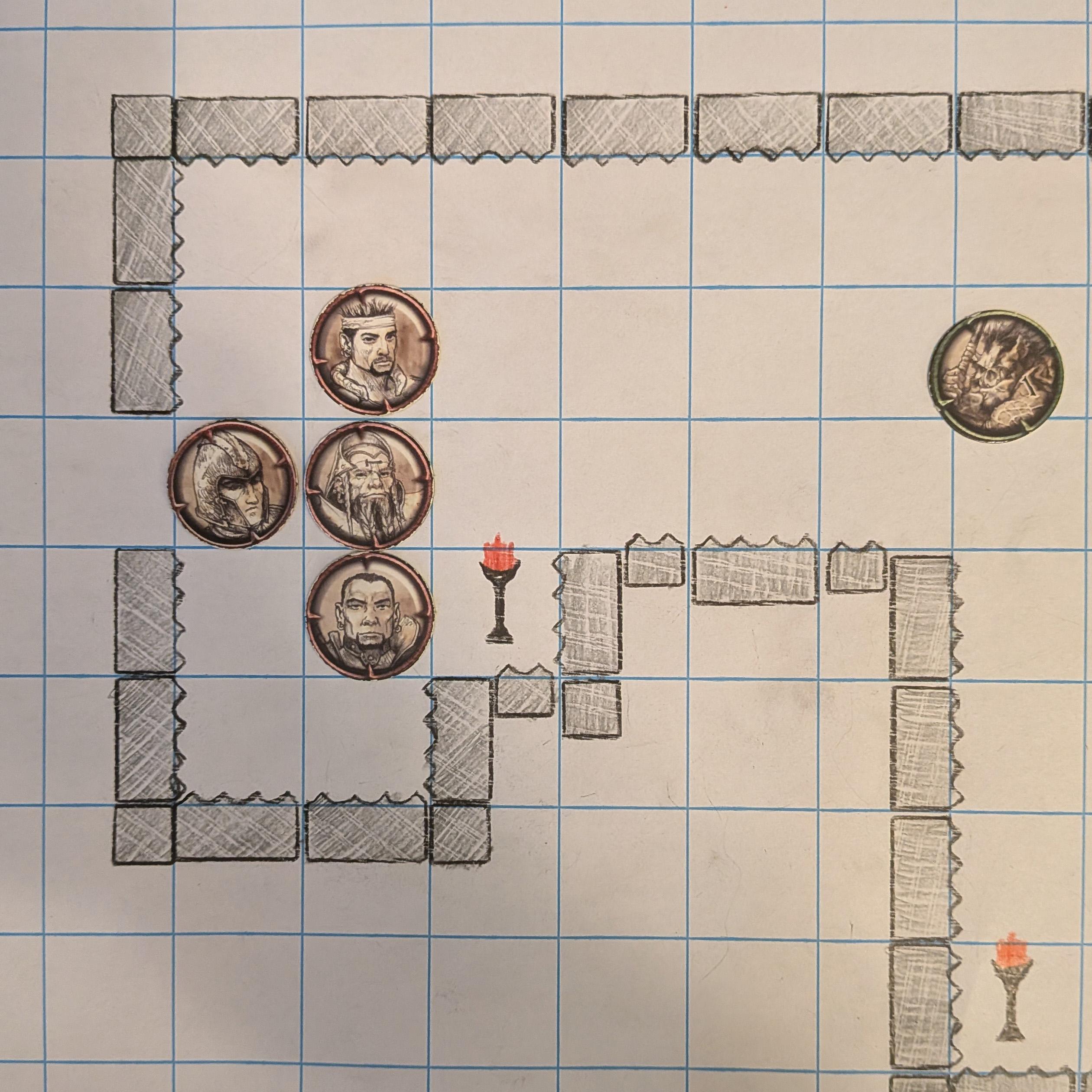
Where ruined walls work best
- at the edges of a room (collapsed corners)
- as “partial separation” between alcoves
- to block a shortcut (collapse forces a longer route)
> Warning
> Don’t overdo Ruined Wall texture. One or two ruined segments per major room reads better than “everything is ruined.”
Torches: Your Stage Lighting
Crypt encounters live and die on attention. Torches tell players what matters *right now*.
- Wall Torch = deliberate, permanent, ceremonial
- Standing Torch = temporary, current activity, “someone placed this”
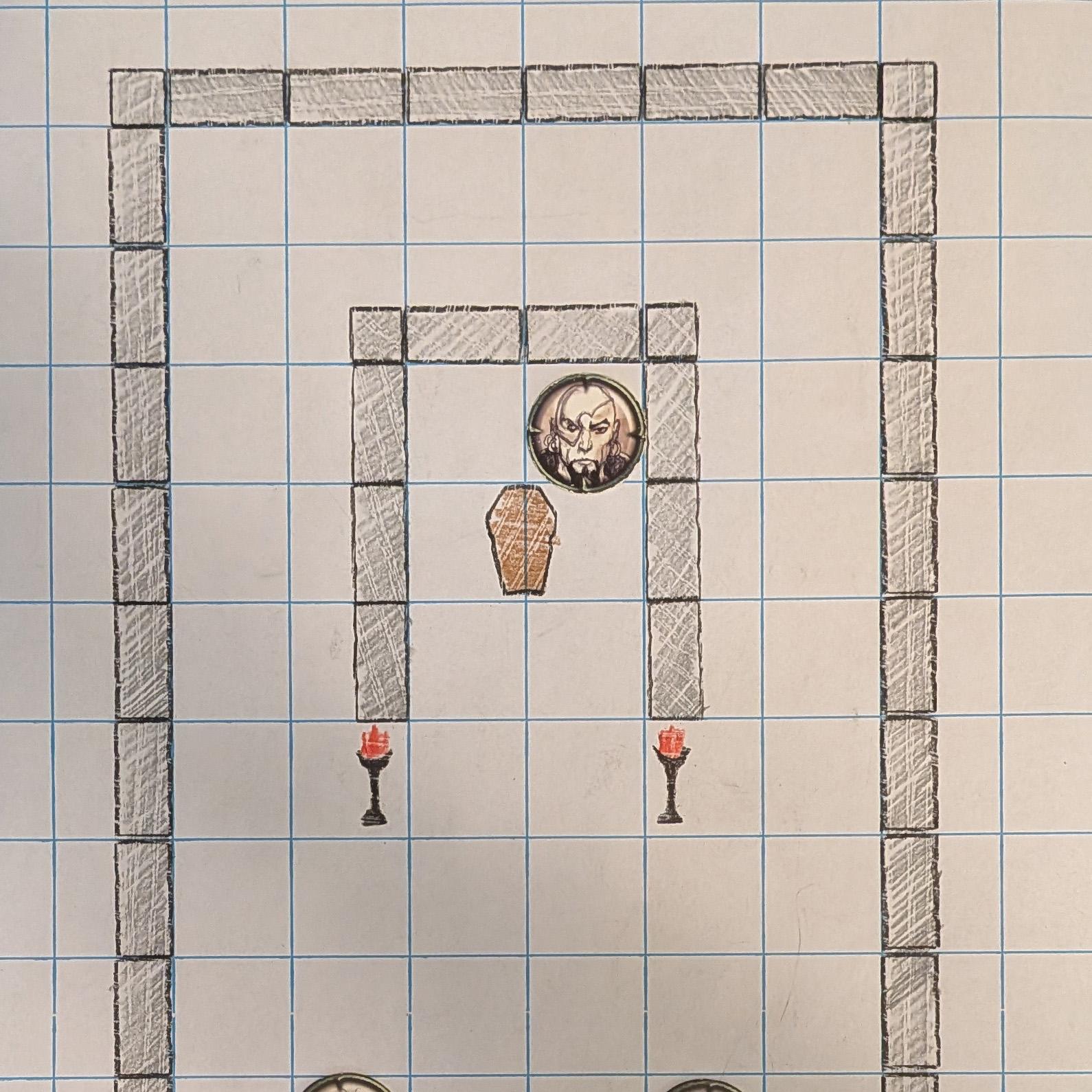
Torch placement rules that feel cinematic
- Frame entrances with two Wall Torches (it feels important)
- Highlight a coffin with a Standing Torch nearby (tempting… or trapped)
- Light the throne even if the room is dark (boss energy)
Respect the Grid Scale (So Combat Doesn’t Feel Bad)
Crypt landmarks are big. If you place them without thinking about minis, you’ll accidentally create rooms where nobody can move.
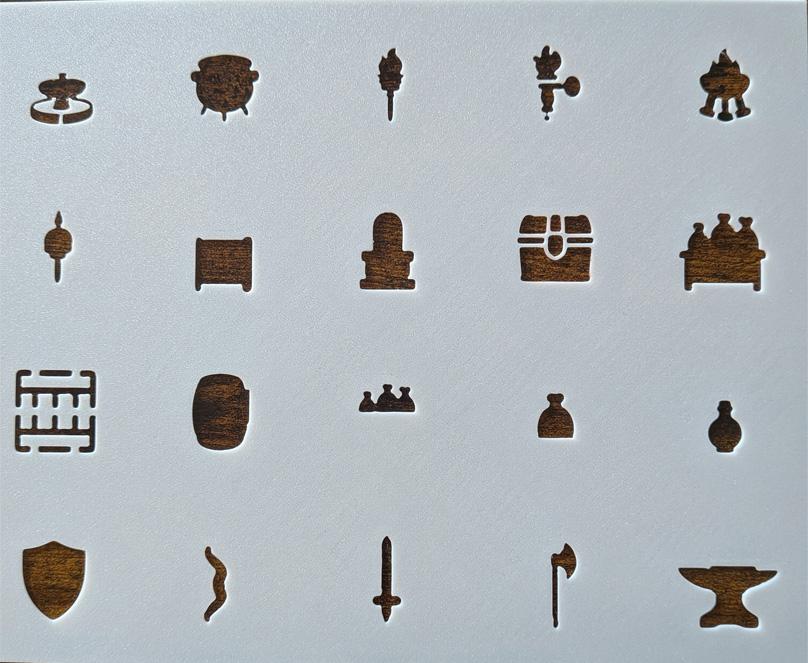
Quick scale sanity checks:
- Leave at least 2 squares wide for main walkways (nave, aisle)
- Don’t place coffins so close together that they create “mini traffic jams”
- Keep the center of boss rooms mostly open (give the fight room to breathe)
> Tip
> If you want tight tension, do it in small side crypts. Keep the main chamber playable.
# Classic Crypt Layouts (Nave + Side Crypts)
A reliable crypt reads like a small church:
- Nave (main hall)
- Side crypts (alcoves, burial niches)
- Sarcophagus room (the “why we’re here” chamber)
Nave Basics
- Use Stone Wall for clean, sacred structure
- Add Ruined Wall to show age, collapse, or breach
- Use Wall Torches to frame the main path and focal points
Side Crypts
- Switch to Cracked Floor
- Add Coffin in each alcove (not too many—make them special)
- Use Standing Torch to suggest recent disturbance
# Three Crypt Templates (Small, Medium, Boss)
Each template uses the same stencil language and stays readable at arm’s length.
Template 1: Small Crypt (Quick Tension)
Best for: session openers, side quests, “find the key” scenes
Stencil recipe
- Short nave with Stone Floor
- 2 side alcoves with Cracked Floor
- 1 focal Coffin at the end
- 2 Wall Torches framing the end of the nave
- Optional: one Ruined Wall corner to hint at a hidden breach
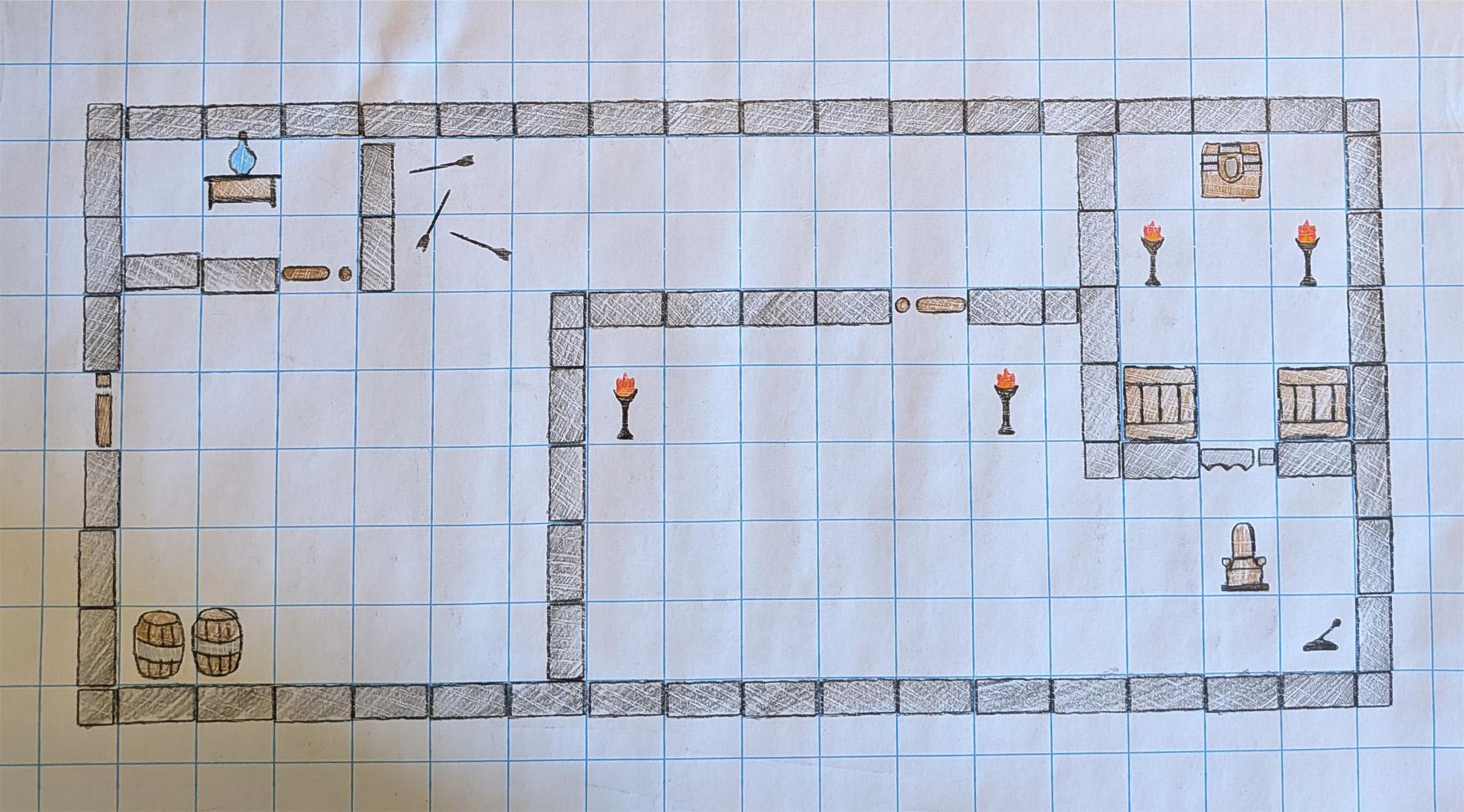
What it plays like
- fast exploration
- obvious focal point
- easy to run even when improvising
Template 2: Medium Crypt (Choice + Centerpiece)
Best for: full sessions, investigation, “which tomb is right?”
Stencil recipe
- Nave + 3 side crypts
- Stone Floor in nave, Cracked Floor in side crypts
- Central sarcophagus room with 2–3 Coffins
- Ruined Wall creates a damaged side passage (optional loop)
- Wall Torches guide the “main” route; Standing Torch marks disturbed areas
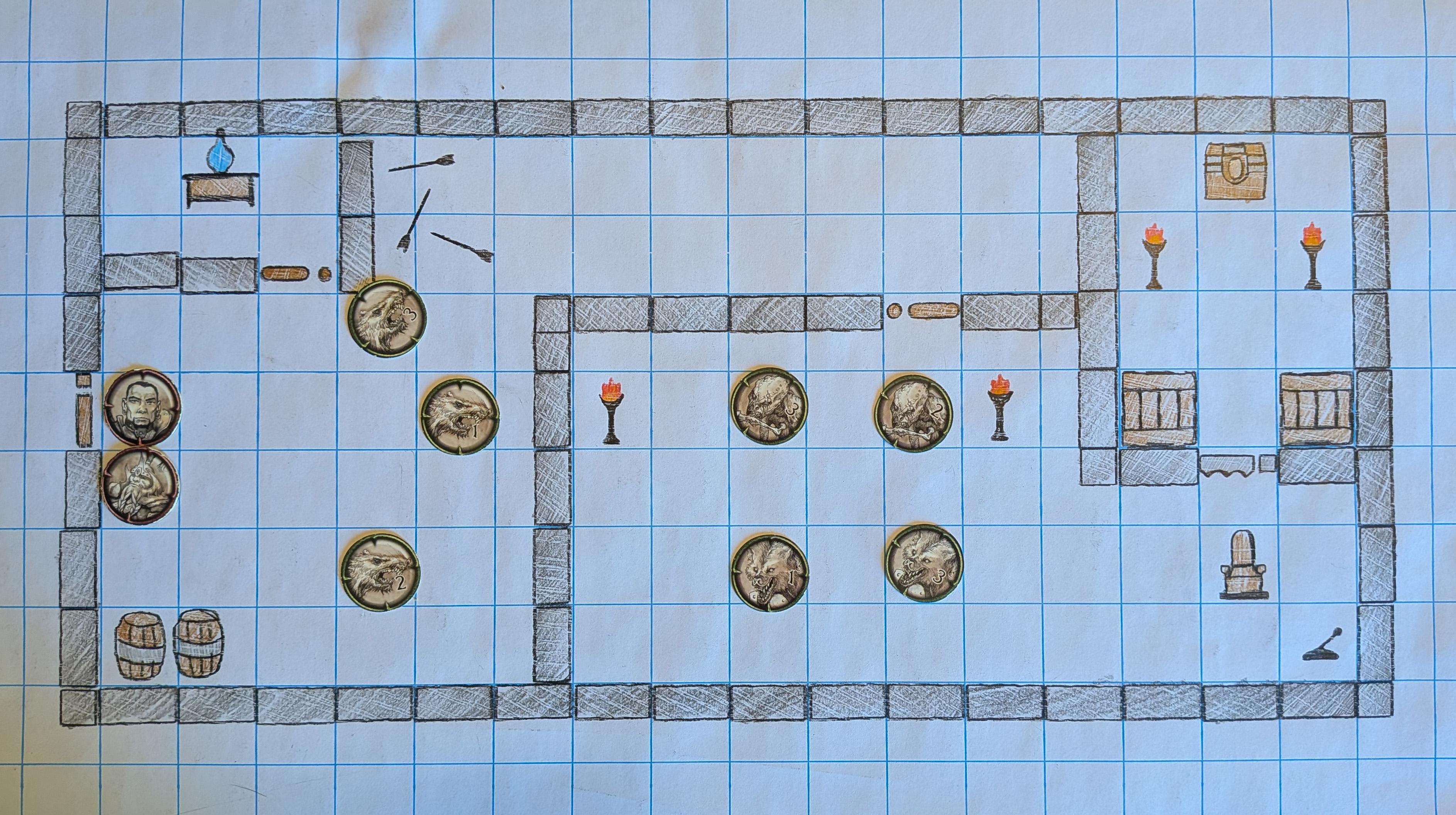
What it plays like
- players choose side crypts (risk/reward)
- the sarcophagus room feels like the “answer”
- easy pacing: each side crypt is a beat
Template 3: Boss Crypt (Throne Reveal)
Best for: vampire lord, death knight, cursed monarch, lich-lite
Stencil recipe
- Approach hall (nave) leading into a “throne crypt”
- Throne on a dais area (even a simple raised zone is fine)
- Wall Torches symmetrically framing the throne (stage effect)
- 2–4 Coffins around the edges (minions, lore, or traps)
- Cracked Floor in the boss chamber (unstable, ancient power)
- Ruined Wall segment hinting at a breached escape route (optional)
What it plays like
- the throne becomes a focal “objective”
- coffins create edge cover and spooky choices
- torches frame the boss like a spotlight
Common Crypt Mistakes (Easy Fixes)
- Too many coffins: use fewer, make them meaningful.
- No clear walkway: ensure at least one obvious route through the nave.
- Everything cracked/ruined: reserve Cracked Floor and Ruined Wall for contrast.
- Torches everywhere: light the important areas, leave the rest ominous.
Next Steps
Want to reuse these layouts across different adventures?
- Swap Stone Floor → Cracked Floor to turn “maintained crypt” into “forgotten tomb”
- Replace some Wall Torches with Standing Torches to show recent activity
- Move the Throne into a side crypt to create a surprise reveal
And if you’re mapping a full dungeon around the tomb, pair this with your Rooms + Doors + Readable Lines guide so your crypt sits inside a dungeon that plays fast.