The Goal: A Building Players Understand Instantly
Building interiors are where a lot of sessions happen:
- negotiations in a shop
- a chase through back rooms
- a hidden stash behind a locked door
- a sudden brawl in a noble house
The map doesn’t need to be fancy—it needs to be readable on a grid.
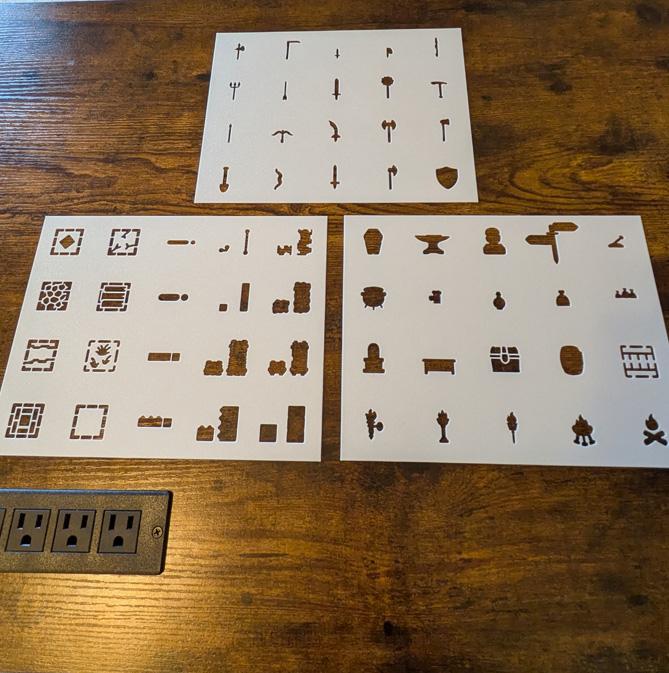
This guide uses your “building language” stencils:
- Wall types: Wood Wall, Stone Wall, Thin Wall
- Doors: Large Door, Small Door, Square Door, Spiked Door
- Floors: Wood Floor, Tile Floor, Fancy Floor (plus Stone Floor when needed)
Step 1: Pick the Wall Language (It’s Instant Story)
Wall choice is a storytelling shortcut.

Use this cheat sheet:
- Wood Wall = homes, shops, inns, offices, “lived-in town”
- Stone Wall = vaults, banks, wealthy buildings, city guard, older structures
- Thin Wall = blueprint clarity (best for quick play, crowded combats, or fast prep)
> Tip
> If your players struggle to read maps, default to Thin Wall and use floors to provide the “flavor.”
Step 2: Floors Signal Status (Fast, Clear, No Extra Ink)
Floors do a lot of narrative work with almost no effort.
- Wood Floor = common folk, inns, shops, back rooms
- Tile Floor = clean businesses, kitchens, clinics, temples, “kept tidy”
- Fancy Floor = nobles, guildmasters, rich merchant homes, ceremonial halls
Simple status trick:
- front room = Tile Floor
- backroom = Wood Floor
- private office = Fancy Floor (even a small section sells it)
Step 3: Doors Are Grammar (Public, Private, Dangerous)
Doors tell players how a building works—and where they should go.
Use doors like punctuation:
- Large Door = public entrance, high traffic, “open for business”
- Small Door = staff-only, private rooms, side exits
- Square Door = secure storage, office lock, “this is controlled”
- Spiked Door = intimidation, “do not enter,” trap vibes (rare in towns, but perfect for criminal hideouts)
> Warning
> If the entrance door isn’t obvious, players will hesitate. Make the main entrance a Large Door whenever possible.
Step 4: Interior Flow (Adjacency) Matters More Than Room Count
Many town interiors fail because rooms don’t connect for a reason. A believable building has flow.
Reliable adjacency patterns (use constantly)
- Public → Staff → Storage
- Public → Private Office
- Public → Back Hall → Two Rooms
- Public → Cellar (square/secure door)
> Tip
> Don’t build “room museums.” Build routes: where people walk and why.
Step 5: Quick Building Shells (Fast Shapes That Run Well)
You don’t need complex architecture. Simple shells are faster and play better.
Three shells you can draw in seconds:
1) Rectangle: best for shops, small homes, inns
2) L-shape: creates a natural “private corner”
3) Courtyard edge: perfect for guildhouses, noble homes (even a tiny courtyard sells it)
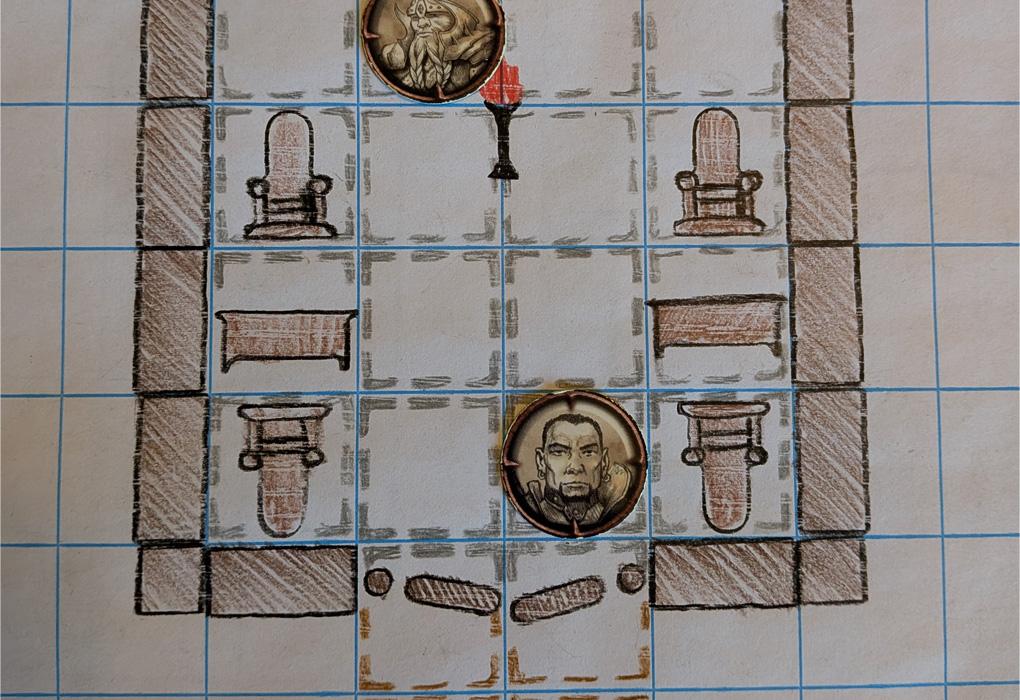
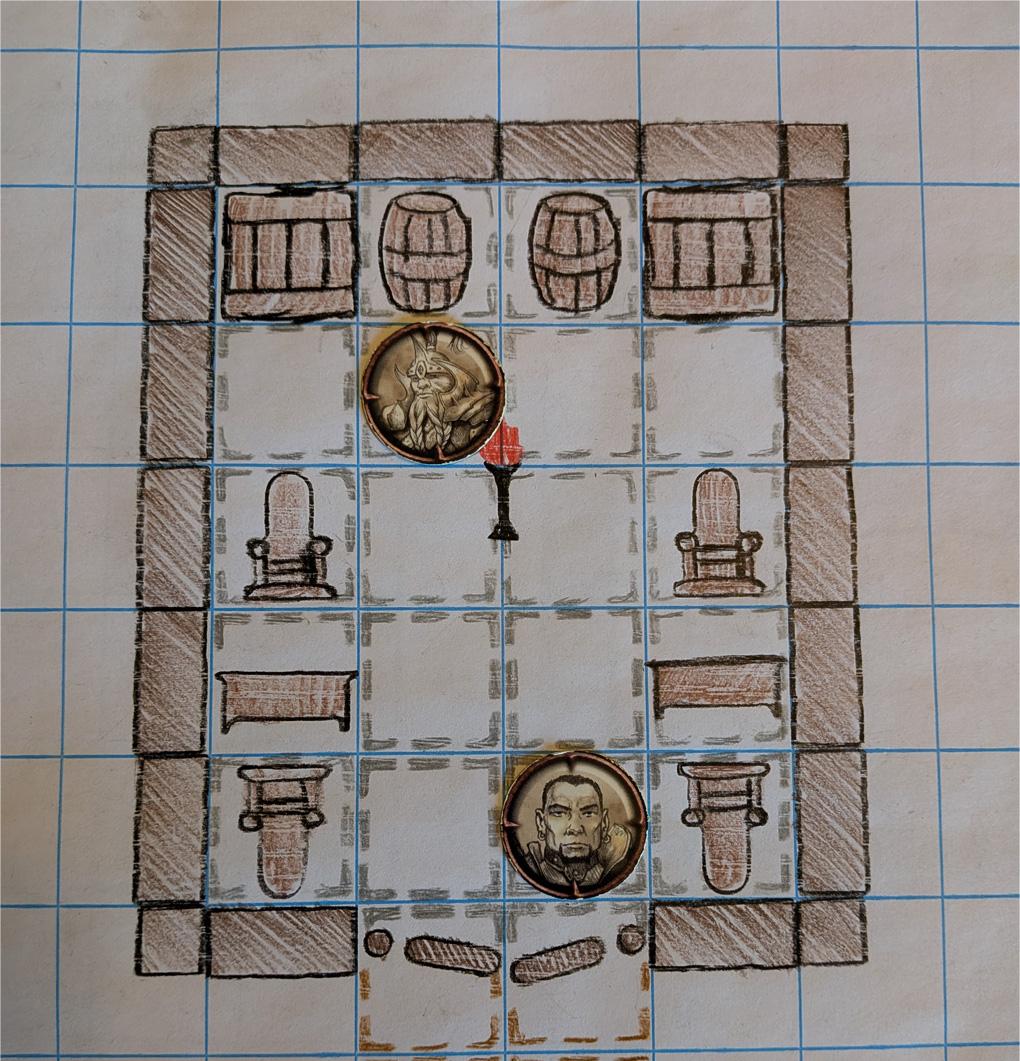
# Included Blueprint Pattern: Shop + Backroom + Storage
This is the most reusable town interior in D&D/TTRPGs:
- the shop is the scene
- the backroom is the secret
- the storage is the reward (or the problem)
The Pattern (How to Draw It)
Stencil recipe
- Outer shell: Wood Wall (or Thin Wall for clarity)
- Shop floor: Tile Floor (clean, public)
- Backroom: Wood Floor (busy, practical)
- Storage: Stone Floor or Wood Floor (depends on how secure it is)
Doors:
- Large Door from street into shop (public)
- Small Door from shop into backroom (staff)
- Square Door from backroom into storage (secure)
Optional:
- Add a second Small Door from backroom to alley (escape route)
- Use Spiked Door only if it’s a criminal front (“backroom isn’t safe”)
Why it plays so well
- Players naturally roleplay in the shop
- Suspicion pulls them to the backroom
- Treasure or consequences live in the storage
- It supports stealth, investigation, and combat without redesign
Making Interiors Playable (Not Just Realistic)
A playable interior needs:
- clear doorways
- lanes wide enough for minis
- “decision points” (two paths or two exits)
- a reason to move (objective, clue, threat)
Two quick playability rules
- Keep main lanes 2 squares wide when possible.
- Avoid doorways that open into immediate corners (players get stuck and confused).
> Tip
> If you expect combat inside, switch wall lines to Thin Wall for maximum readability and let the floor texture carry the vibe.
Quick Reskins (Same Blueprint, Different Building)
Use the same shop/backroom/storage pattern and swap textures:
- Apothecary: Tile floor + secure Square Door storage
- Noble boutique: Fancy floor in front + tile backroom
- Black market front: Wood floor + Spiked Door to the “real” backroom
- Guard office: Stone walls + square doors + tile floor
Common Mistakes (Easy Fixes)
- Too many tiny rooms: combine rooms; make routes, not mazes.
- No “private” transition: add one Small Door between public and staff.
- Status not readable: use Tile Floor and Fancy Floor intentionally.
- Doors everywhere: doors should control access and create choices—not label every space.
Next Steps
If you want to connect town buildings to bigger adventures:
- add a cellar with a Square Door (secure) and shift to Stone Wall below
- create an undercity escape route using Cobble Wall and Small Door
- re-skin interiors quickly by swapping only floors (Wood → Tile → Fancy)
Once you have readable shells + door grammar + flow, you can map almost any building in minutes—and it’ll *run* just as smoothly as it looks.