Why Dungeon Dressing Matters (and What It Actually Is)
Dungeon dressing is everything in the room that isn’t a wall: storage, clutter, light sources, and interactive objects. Done right, it makes your map feel real and improves gameplay.
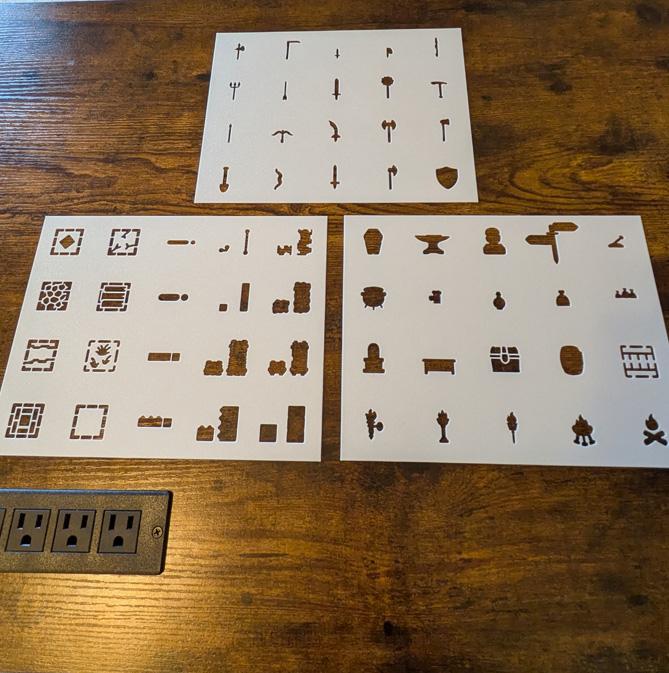
With stencils, you can add dressing in under a minute using:
- Barrel, Crate, Chest
- Bags on table, Bags, Bag
- Lever
- Wall Torch and Standing Torch
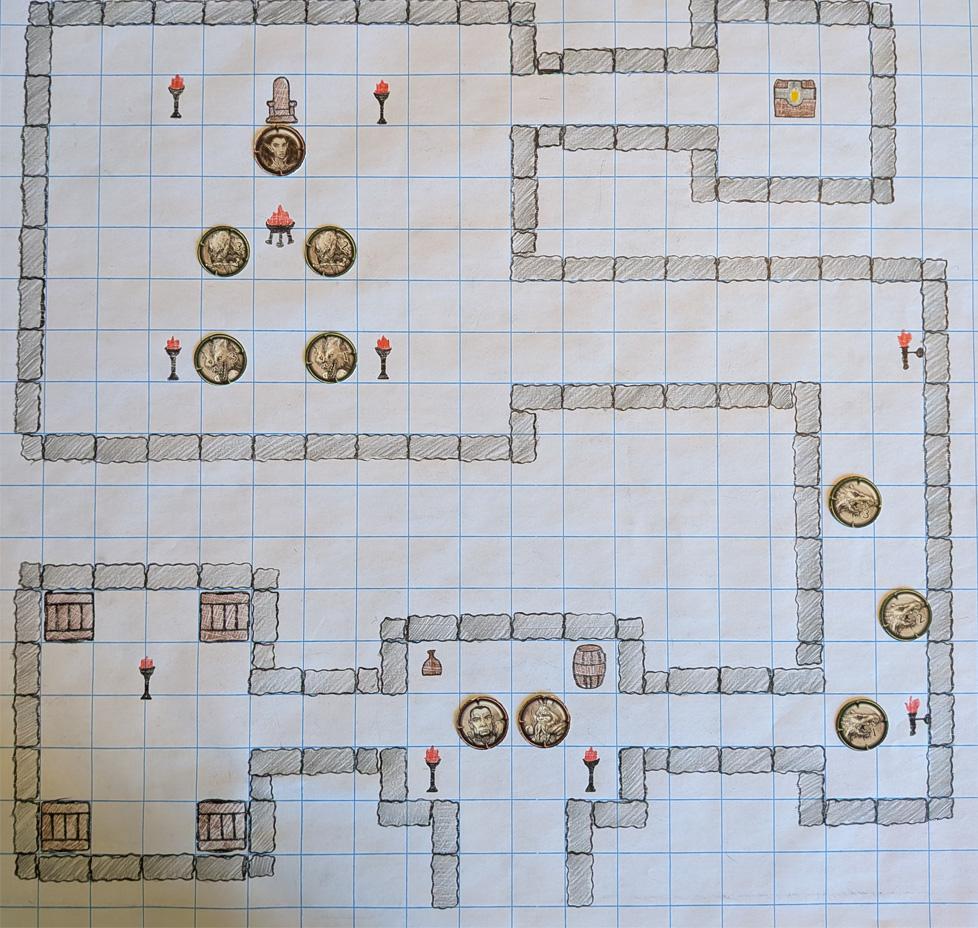
The Rule of Dressing: Choices, Not Clutter
A dressed room should create 2–3 meaningful choices:
- Where do we take cover?
- Where can we push/flank?
- What do we interact with?
If your room has 12 props, it’s not “more immersive.” It’s just harder to read.
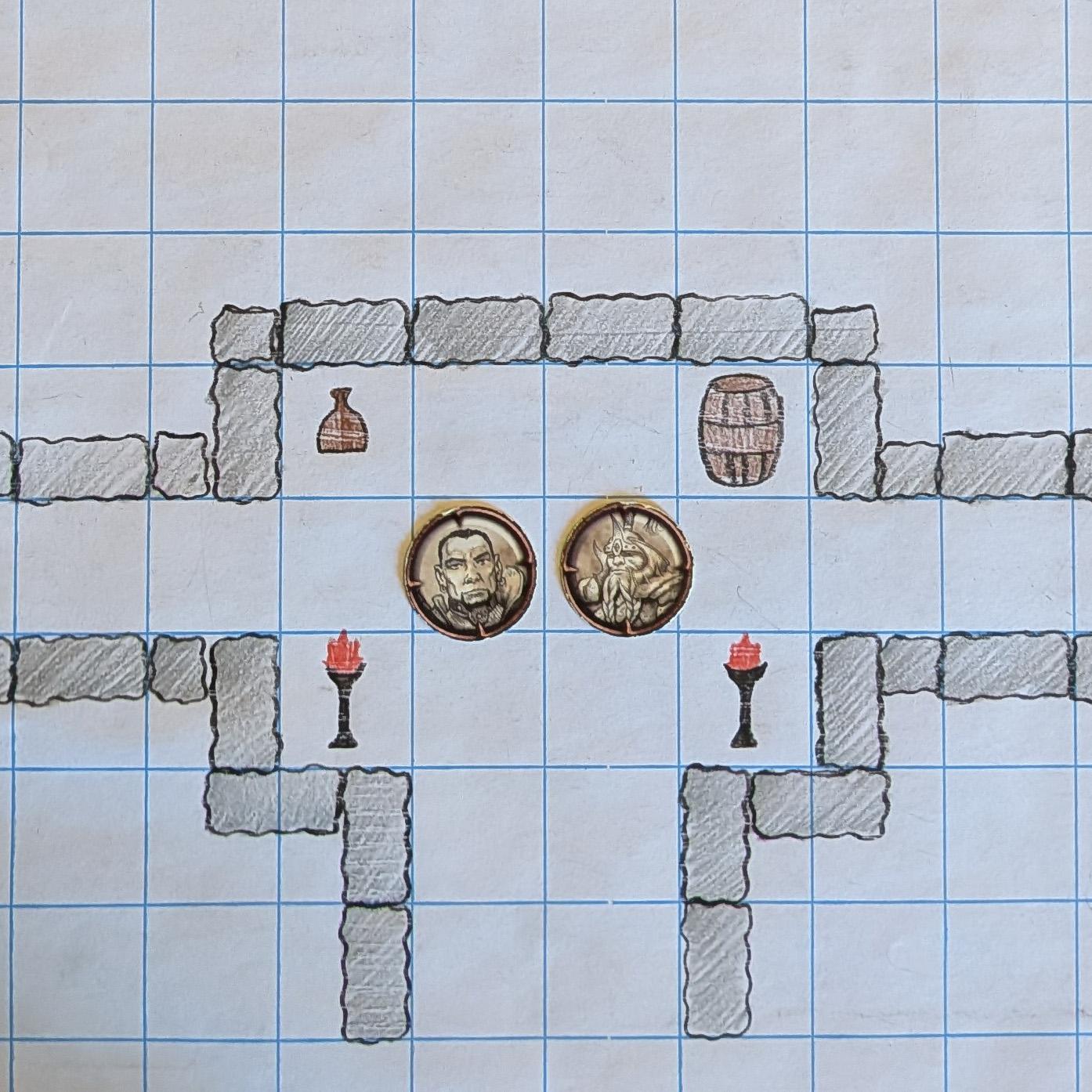
> Tip
> When in doubt, dress corners and edges, and leave the center playable for minis.
Cover: Make Combat Instantly Tactical
Even without getting deep into rules, players intuitively understand:
- “That Crate looks like cover.”
- “I can duck behind that Barrel.”
- “That stack blocks the hallway.”
Fast Cover Pattern: The Cluster
Instead of placing single props everywhere, use clusters (they’re faster and read better):
- Crate + Barrel = quick cover and blocking
- Chest + Bags = loot signal + soft clutter
- Lever + Torch = interactive objective (alarm, gate, trap)

Chokepoints: The Dungeon’s Secret Spice
Want a hallway fight to feel dramatic? Add a single choke point:
- Place Crates or Barrels so there’s only one clean lane through.
- Leave one side “messier” so ranged characters have a reason to reposition.
> Warning
> Don’t block every route. Give players at least one alternate path (even if it’s risky).
Loot Readability: Make Players Notice the Important Stuff
Players are trained to scan for treasure. Use that!
- Chest = “this is important”
- Bags / Bag = “supplies, coin, contraband, travel gear”
- Bags on table = “someone was working here” (notes, keys, potions nearby)
Loot placement that feels natural
- Put Chests near walls or in corners (storage behavior)
- Put Bags on table in a “work” area (planning, sorting, counting)
- Put Bags near exits (ready to grab and run)
Lighting: Use Torches to Direct Attention
Torches aren’t just flavor. They’re “visual arrows” that pull the eye.
- Wall Torch = permanent, deliberate, “this place is used”
- Standing Torch = temporary, movable, “guards are here right now”
Stencil trick: Put torches where you want players to look:
- beside a Large Door
- near a Lever
- flanking a “boss entrance”
- highlighting a “loot corner” with a Chest
Interactive Dressing: The Lever Is a Story Engine
The Lever stencil is one of the best “instant gameplay” props because it creates questions:
- What does it do?
- Is it trapped?
- Do we pull it now or later?
Place the lever where it’s visible but risky:
- behind cover (guards protect it)
- across the room (forces movement)
- next to a door or gate (implied function)
> Tip
> If you only add one interactive prop to a map, make it a Lever.
# Three Dressing Recipes (Ready to Trace)
Each recipe is designed to be fast, readable, and tactical—using only:
Barrel, Crate, Chest, Bags on table, Bags, Bag, Lever, Wall Torch, Standing Torch
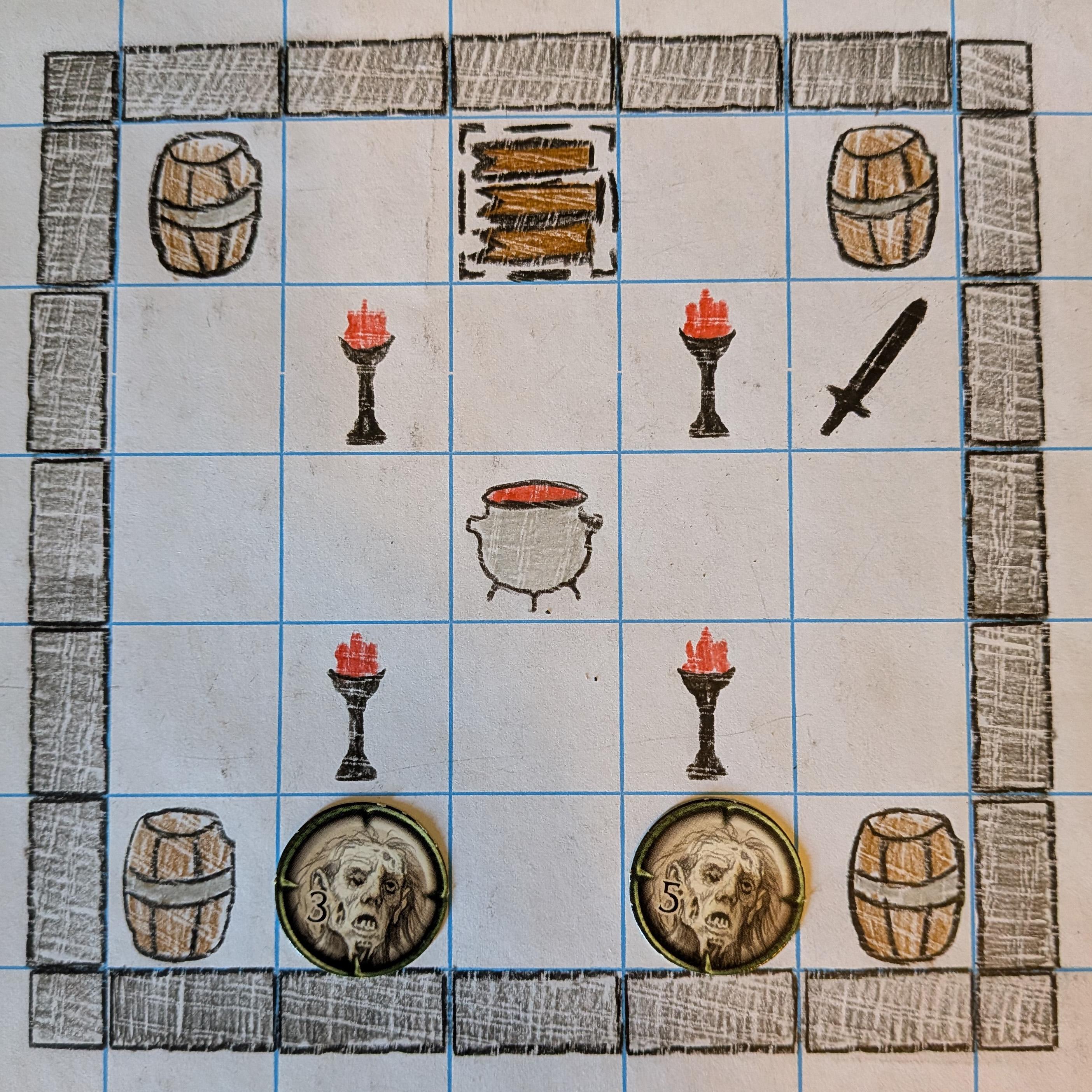
Recipe 1: Store Room (Cover + Loot + Lanes)
Goal: quick combat space with obvious treasure.
Stencil recipe
- 2–4 Crates along one wall (stacked storage vibe)
- 1–2 Barrels near the entrance (workers set them down)
- 1 Chest in a back corner (the “good stuff”)
- 1–2 Bags near the chest (coin sacks, supplies)
- 1 Wall Torch by the door (this room gets used)
What it plays like
- melee uses crates as cover to close distance
- ranged fights down lanes between stacks
- chest becomes a mid-combat objective
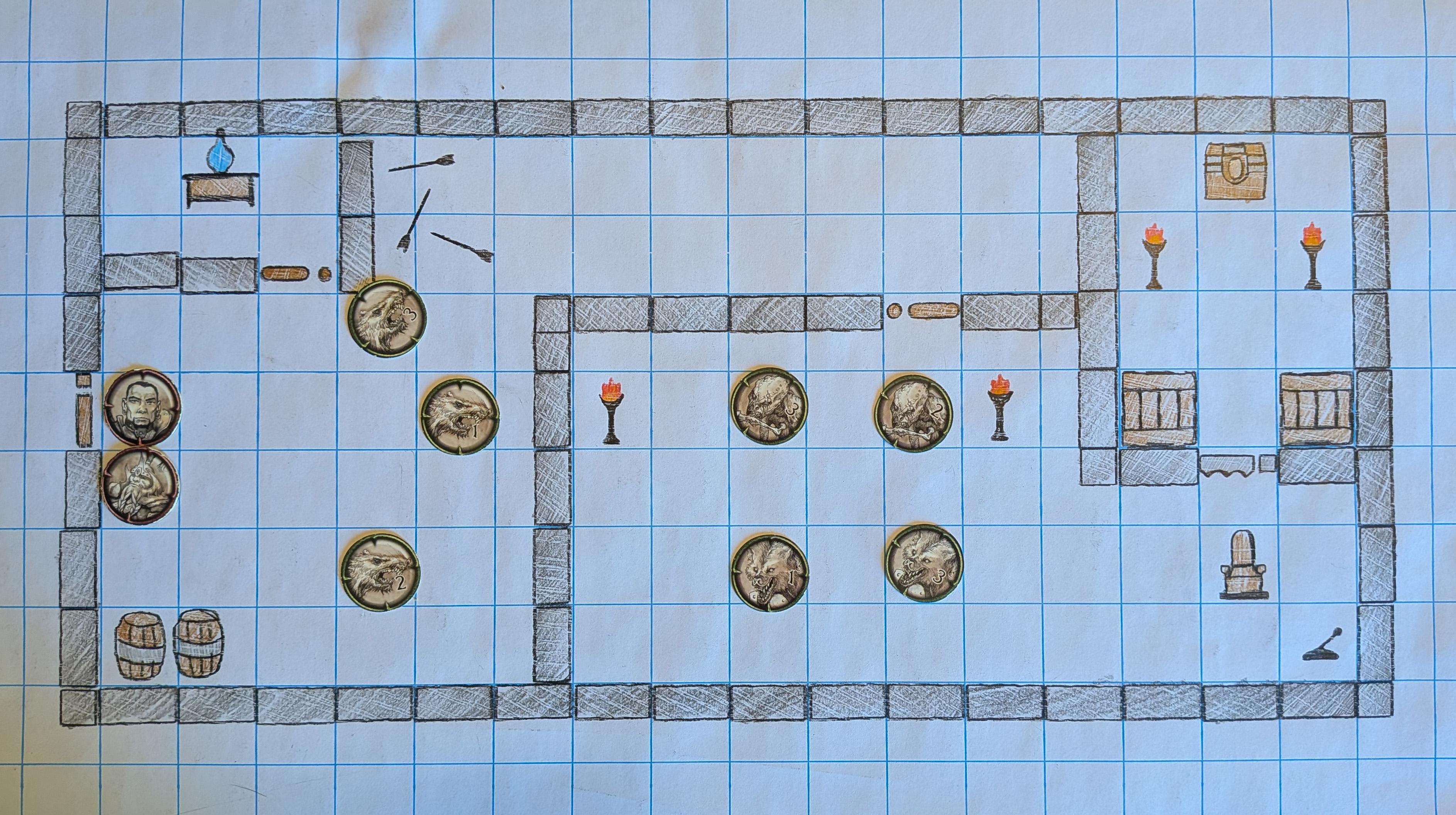
Recipe 2: Guard Post (Sightlines + Alarm)
Goal: defendable room with an “oh no” button.
Stencil recipe
- 2 Crates placed to create a partial barricade
- 1 Standing Torch near the guards (active post)
- 1 Wall Torch near the exit (permanent lighting)
- 1 Lever visible from the doorway but behind cover
- Optional: a Bag near the lever (keys, horn, notes)
What it plays like
- players must decide: rush lever or fight guards?
- lever creates urgency without extra rules
- torches imply “occupied” and raise stakes
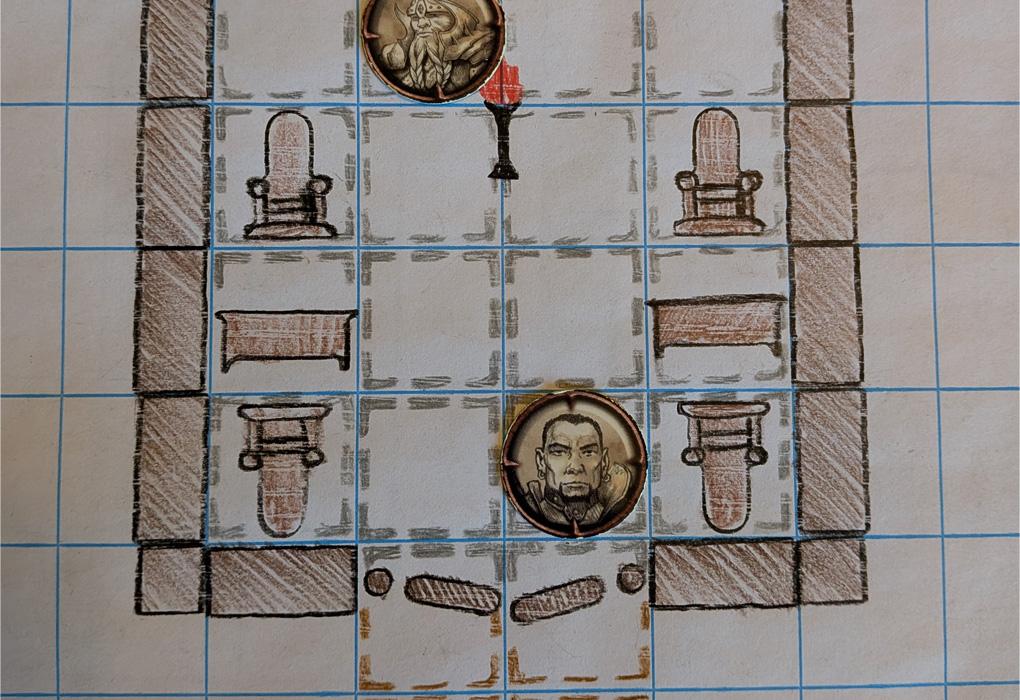
Recipe 3: Boss Antechamber (Drama, Not Junk)
Goal: build tension before the big door.
Stencil recipe
- Keep the room mostly open.
- Place Wall Torches in symmetrical pairs (ceremony/importance)
- Add one cover cluster (Crate + Barrel) off to a side (not center)
- Place one Chest as a tempting “is this bait?” moment
- Add Bags on table only if you want “planning room” vibes
What it plays like
- open space makes the next fight feel bigger
- the chest becomes a psychological trap (“do we loot now?”)
- torches frame the “main door” like a stage
Common Dungeon Dressing Mistakes (Quick Fixes)
- Too many props: limit to 3 clusters per medium room.
- Blocking movement: leave at least one clear lane for minis.
- Loot hidden in clutter: if it matters, make it a Chest.
- Torches everywhere: use torches to highlight importance, not as wallpaper.
> Warning
> If a player has to ask “what is that?” more than once, simplify the dressing. Stencils are best when the icon language stays obvious.
Next Steps
Try re-skinning the same room with different intent:
- Store room → swap the Chest for a Lever to make it a puzzle room
- Guard post → add Bags on table to suggest planning and clues
- Boss antechamber → remove cover and add more torch symmetry for ceremony
When you’re ready, pair this with your rooms + doors guide so your maps have strong structure *and* meaningful dressing.