Why Perimeters Matter (Even When Nothing Is “Inside”)
Open outdoor maps can feel flat: “we’re standing in a yard.”
Perimeters fix that by creating:
- boundaries (where you can’t go)
- channels (where movement naturally flows)
- choices (front gate vs side route)
- tension (can we be seen? can we slip in?)
The stencil combo that makes this easy:
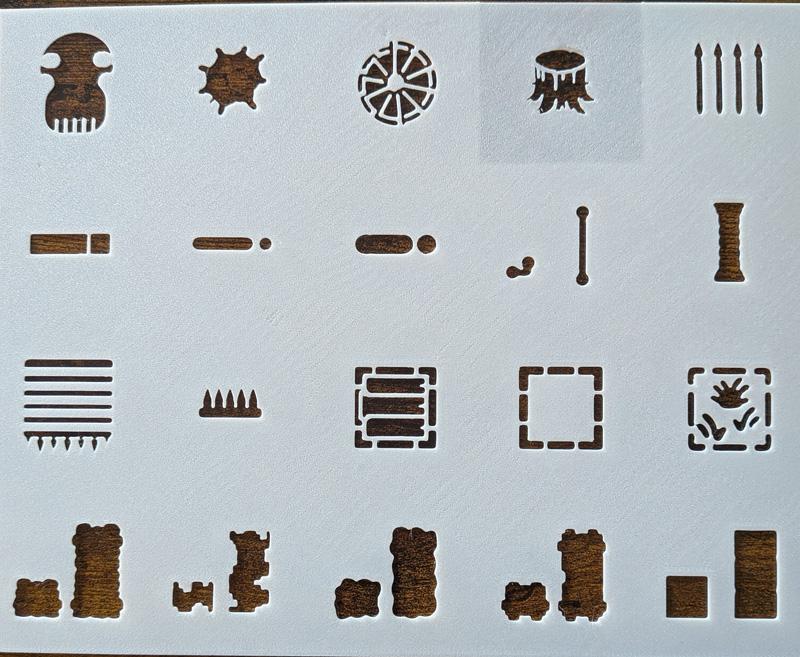
- Fence Wall (control + guidance)
- Spike Wall (danger + “keep out” energy)
- Grass Floor + Cobble Stone Floor (zone separation)
- Signpost (meeting points and checkpoints)
Fence Wall vs Spike Wall (The Behavior Difference)
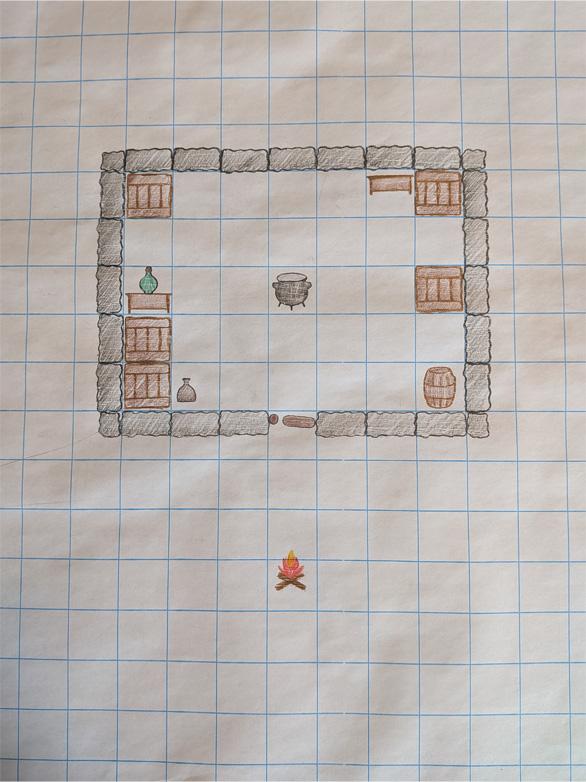
These two stencils tell players different things immediately.
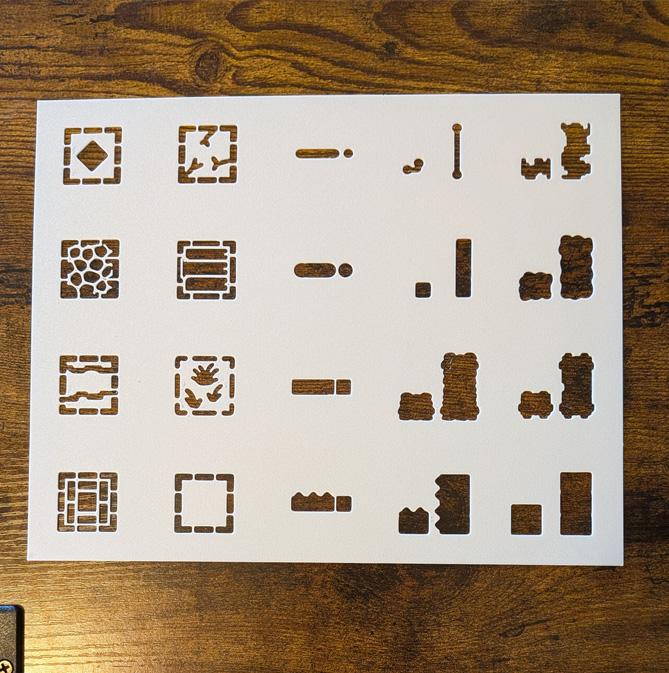
- Fence Wall = “boundary, but not deadly” (people still approach it)
- great for gardens, pens, courtyards, lines, barriers
- Spike Wall = “hostile perimeter” (players assume danger)
- great for gang compounds, bandit forts, cursed gardens, “do not climb”
> Tip
> Use Fence Wall inside the compound (organization) and Spike Wall on the outer edge (threat).
Use Floor Texture to Create Zones (Without Drawing More Stuff)
Players understand zones faster than labels. Floors do this work for you.
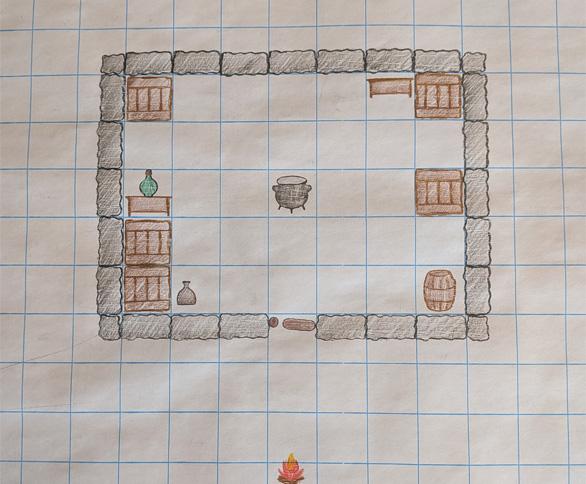
- Cobble Stone Floor = public path, patrol route, official walkway
- Grass Floor = yard, garden, pens, “soft terrain” for stealth and flanks
Simple layout rule:
- cobble = main travel lanes
- grass = side spaces and stealth edges
> Tip
> If you want a stealth route, make it grass and keep it off the main cobble path.
Chokepoints: The Gate Is the Whole Fight
Perimeter fights are often decided at a single chokepoint:
- gate entrance
- narrow path between fences
- corner turn into the courtyard
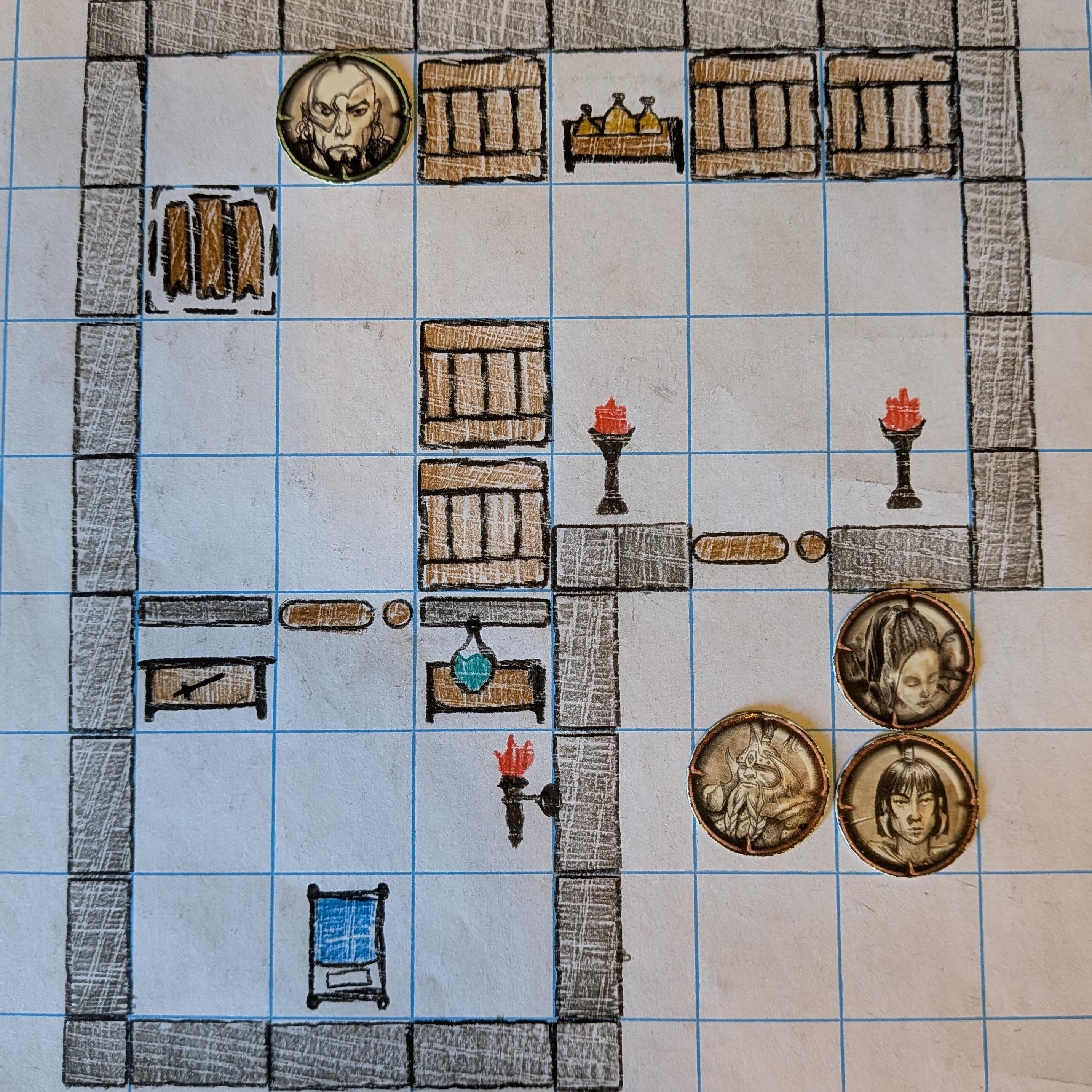
How to build a “good gate” in 10 seconds
- fence lines form a narrow entrance (2 squares wide is a sweet spot)
- cobble path leads straight to the gate (obvious approach)
- grass edges allow alternate routes (less obvious)
> Warning
> Don’t make every entrance a chokepoint. Leave one alternative route so players can be clever.
Stealth Routes: Give Rogues a Real Choice
A stealth route should be visible on the map (so it feels fair), but risky (so it feels fun).
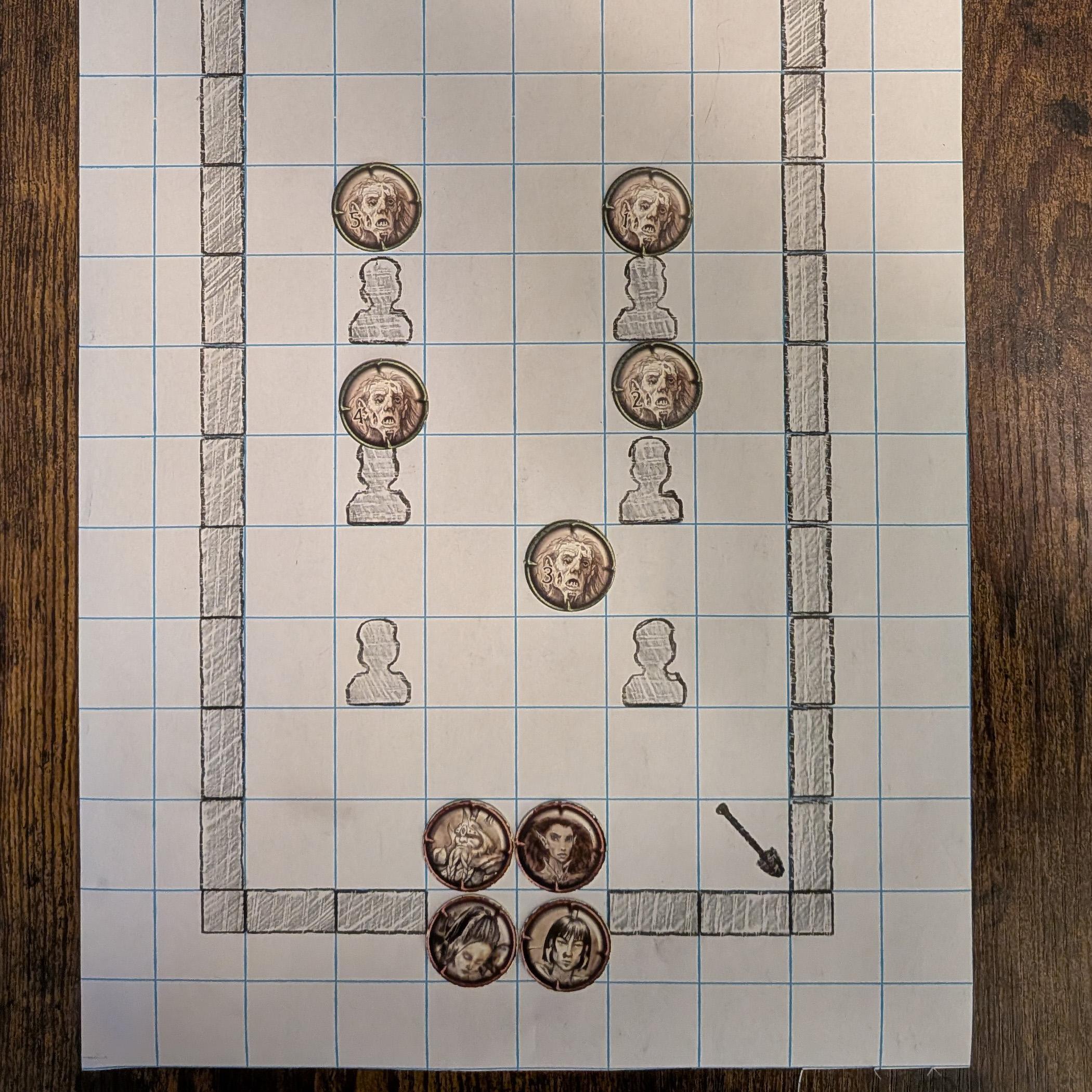
Stealth route tricks using only your stencils:
- Keep the stealth lane on Grass Floor along the fence edge
- Add a Fence Wall gap that looks like a maintenance opening
- Put a Standing Torch near the *main* route (so stealth wants the dark route)
- Use a Small Door as a side entrance if you’re connecting to a building interior
Signpost = Meeting Point, Checkpoint, or Objective
The Signpost stencil is an instant “this place matters” marker.
Use signposts for:
- guard shift instructions (“patrol this route”)
- a rendezvous point (“meet at midnight”)
- a warning marker (“keep out”)
- a public notice board inside a manor courtyard
> Tip
> Put the signpost where routes intersect inside the compound so it becomes a natural “scene anchor.”
# Included Template: Guildhouse / Manor Compound Map
This is a reusable “controlled space” template for:
- guildhouses
- manors
- guard yards
- thieves’ dens
- noble courtyards
Compound Layout Goals
- one obvious front approach (gate + cobble)
- one stealthy side route (grass edge)
- one interior objective (signpost)
- clear boundaries that feel believable
How to Draw It (Stencil Recipe)
Outer boundary
- Use Spike Wall for the outer perimeter (hostile “keep out” message)
Inner organization
- Use Fence Wall to create:
- a pen/garden area
- a separated service yard
- a narrow gate lane (chokepoint)
Floor zones
- Cobble Stone Floor for:
- main approach path
- interior courtyard path
- Grass Floor for:
- side yard stealth route
- garden/pen zones
Anchor point
- Place a Signpost at a central intersection (checkpoint / instructions)
Optional building connections:
- Large Door for a manor main entrance
- Small Door for service entrance / side access
Lighting (if night scene):
- Standing Torch at the gate (guards are active)
- Wall Torch on the building exterior (permanent lights)
How it plays
- direct assault hits the chokepoint gate
- stealth route skirts the edge through grass and fence gaps
- signpost becomes the natural “where do we meet / where do we fight” zone
- fences create cover and “lanes” without feeling like a dungeon
Common Perimeter Mistakes (Easy Fixes)
- No alternative route: add a grass edge lane or fence gap.
- Too many fences: keep it simple—one perimeter + one internal divider is usually enough.
- Everything is cobble: use grass to create stealth zones and soften the space.
- Spike wall everywhere: reserve spikes for “hostile” edges; use fence for civilized boundaries.
Next Steps
To expand this compound into a full session location:
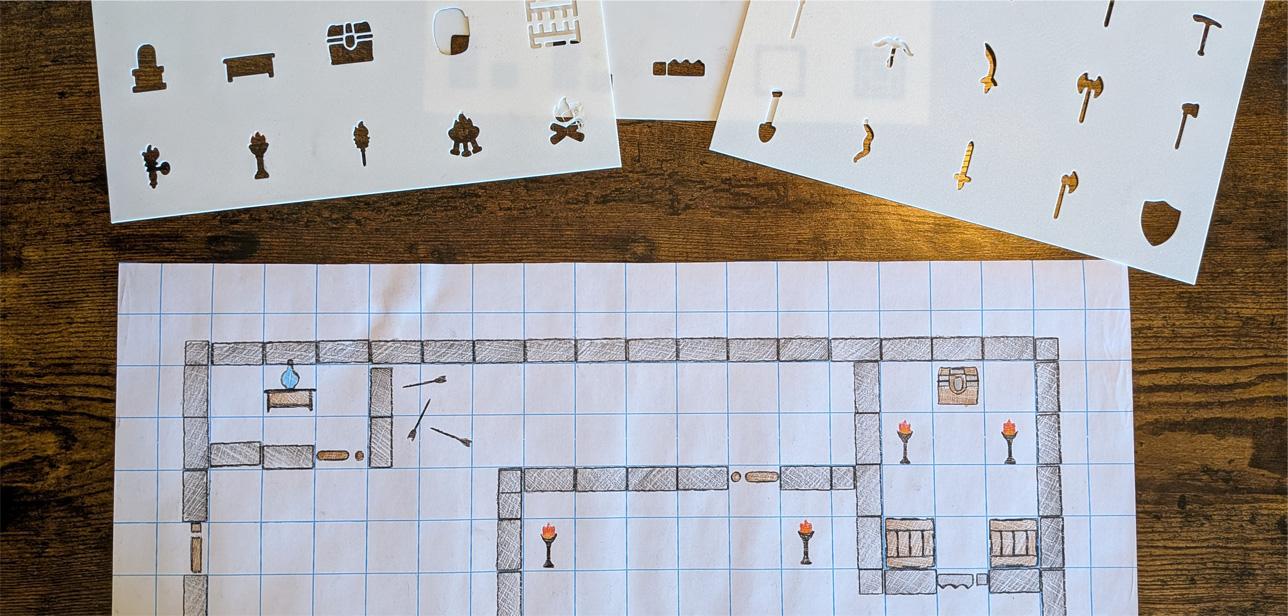
- connect the main door to an interior using Wood Wall + Tile/Fancy Floor
- hide an escape route through a Small Door off the grass lane
- use patrol routes along the cobble path to create tension before combat
Perimeters are map magic: with just fences, textures, and one objective marker, you get stealth, combat, and roleplay options instantly.